

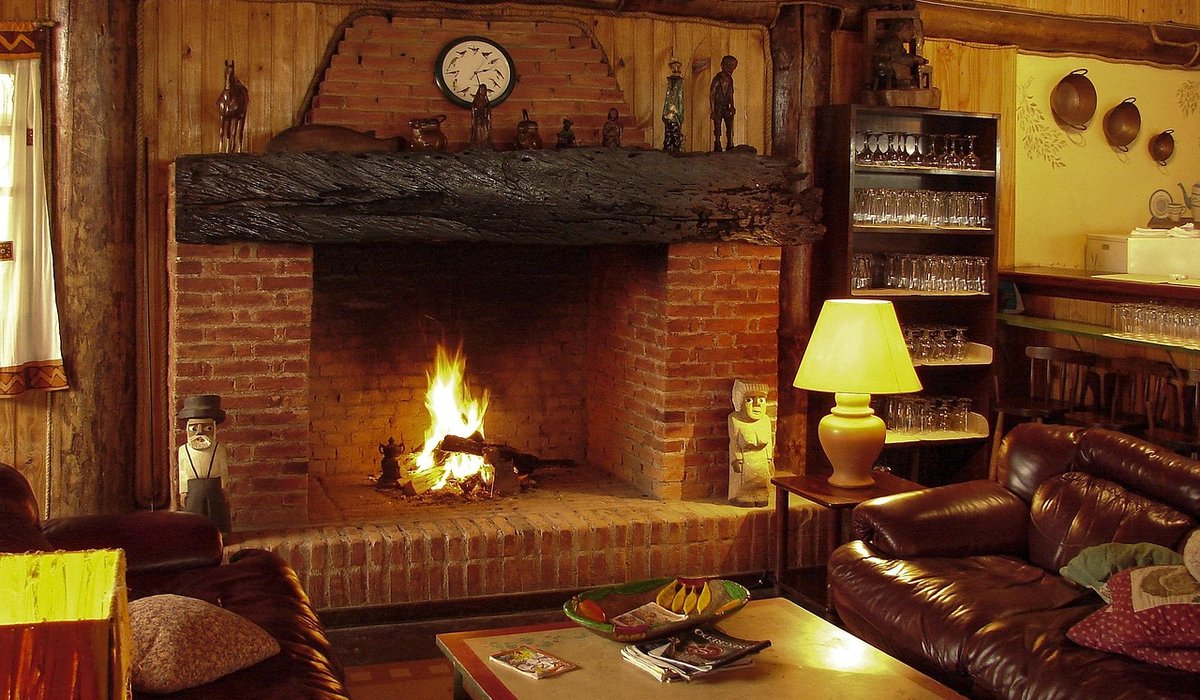
Every older home seems to have one: a narrow recess beside the chimney breast, a gap behind the door, a shallow cavity that no piece of furniture quite fits. Most of us shove a lamp in there and move on. Yet an alcove is one of the few genuinely free gifts a small home offers, and with a bit of planning it can become the hardest-working metre of space you own.
The trick with awkward alcoves is to build upwards rather than outwards. Floor space and natural light are precious in a compact flat or terrace, and anything you place in an alcove should add storage without stealing either. Bespoke shelving, wall-hung cabinets and slim desks all do exactly that.
Start by Measuring Properly
Alcoves are rarely square, and the older the property, the more it will have shifted. Before you buy a single bracket, take measurements at three heights — top, middle and bottom — plus the depth at both sides and at the centre. In period homes, expect to find a difference of a couple of centimetres between the widest and narrowest points. That gap is why off-the-shelf units so often leave an ugly, dust-collecting sliver down one side.
It also pays to look at what is hiding in the recess before you commit:
- Skirting boards and picture rails, which push furniture away from the wall
- Coving at the top, which limits how high a full-height unit can go
- Chimney breast pipework, vents or old gas runs that need boxing in
- Radiators, which should never be blocked if you want the room to stay warm
- Damp patches or cold bridging on external walls, which need treating first
If the alcove sits on an outside wall, a small air gap behind the shelving will help prevent condensation forming on the back of whatever you store there. It is a five-minute detail that saves a lot of trouble later.
Built-In Shelving That Earns Its Place
Full-height alcove shelving is the classic solution for good reason. Because it is made to measure, you can run shelves right into the corners and up to the ceiling, turning dead space into metres of display and storage. For a typical chimney-breast alcove around 90cm wide, five or six shelves will hold a small library, a run of storage baskets and a row of everyday essentials.
A few practical choices make the difference between shelves that look tidy and shelves that become a dumping ground:
- Keep shelf spacing varied — around 25cm for paperbacks, 33cm for hardbacks, 40cm for box files and baskets
- Allow a 30–35cm depth; anything deeper wastes room in a small space and encourages clutter
- Use 18–25mm MDF or moisture-resistant board and fix into the studs or brickwork, not just plasterboard
- Paint the shelves the same colour as the wall to make the alcove recede rather than crowd the room
If the alcove is shallow, around 20cm or less, thinner shelves will still work beautifully for jars, spices, toiletries or paperbacks. Slim is not a problem; awkwardly deep is.
Floating Cabinets and Concealed Storage
Sometimes you want the storage, not the display. Wall-hung cabinets in an alcove give you the same footprint as a bookcase but hide the contents completely, which is a blessing in a living room or hallway where visual calm matters. Mounted at least 40cm above the floor, they keep the base of the alcove clear so the room still feels open and the light still reaches the corners.
Good places to consider them include:
- Above a slim desk, for paperwork, cables and stationery
- Either side of a bed, as deep bedside storage with concealed drawers
- In a hallway, for shoes, coats and the inevitable bag-and-key clutter
- In a bathroom, using moisture-resistant board and a sealed finish
For the neatest result, ask for push-to-open doors or simple cut-out handles rather than knobs. In a narrow recess, protruding hardware catches sleeves and shoulders more often than you would think.
The Alcove Desk and Work Nook
The past few years have made many of us look again at the corner we never used. A slim desk spanning the width of an alcove, typically 40–50cm deep and 75cm high, gives you a proper workspace without surrendering a whole room. Fit it wall to wall, support it on battens or slim brackets, and float a couple of shallow shelves above for files and a lamp.
Light is the one thing to plan carefully here. A desk tucked into a recess can feel gloomy, so add a dedicated wall light or a low-profile LED strip beneath the shelf above. If the alcove is beside a window, keep the shelving on the wall furthest from the glass so nothing blocks the daylight coming in.
Finishing Touches That Make It Feel Intentional
Storage built into an alcove should look as though the house was designed that way. Boxing in the top with a simple fascia, matching skirting at the base and painting everything in one colour all help. Baskets, boxes and labelled crates bring a consistent look and make the contents easy to find, while a warm lamp or a plant on the middle shelf stops the space reading as pure utility.
Measure carefully, build upwards, keep the floor clear, and even the most unpromising recess will quietly become the most useful corner in your home.


Coding is used in almost all aspects of life and work now, be it directly or indirectly. It’s not just for companies in the tech sector. “An increasing number of businesses rely on computer code,
Coding is used in almost all aspects of life and work now, be it directly or indirectly. It’s not just for companies in the tech sector. “An increasing number of businesses rely on computer code,
Coding is used in almost all aspects of life and work now, be it directly or indirectly. It’s not just for companies in the tech sector. “An increasing number of businesses rely on computer code,